Los Angeles is breathing again—shallowly, but unmistakably. After years of decline, runaway production, and pandemic fallout, new signals suggest film and TV production in the city may finally be turning the corner. Studios are greenlighting projects with LA roots, soundstage occupancy is creeping up, and labor agreements have stabilized. But is this a sustainable rebound or just a fleeting pulse?
The city that built Hollywood is fighting to reclaim its status as the epicenter of visual storytelling. The evidence is scattered but compelling: from Netflix expanding its Sunset Bronson lot to Warner Bros. reviving dormant series on Burbank soundstages. Yet beneath the optimism lie structural challenges—cost, competition, and creative migration—that could still stall momentum.
Let’s examine what’s really changing—and what it means for crews, creatives, and the future of production in Los Angeles.
The Long Decline: Why LA Lost Ground
Los Angeles didn’t just slow down—it hemorrhaged production. Between 2013 and 2022, local film permits issued by FilmL.A. dropped by nearly 40%, with episodic television bearing the brunt. The primary driver? Incentives.
States like Georgia, New Mexico, and even Canada offered tax rebates up to 30%, while California’s Film & TV Tax Credit Program remained capped, competitive, and often insufficient to offset higher union labor and overhead costs. By 2022, only 17% of top studio series were filmed entirely in LA, down from 45% a decade earlier.
“You’d get a call for a pilot,” says veteran location manager Elena Rostova. “We’d scout, prep, and then get the email: ‘Moving to Atlanta. Thanks anyway.’ It happened weekly.”
The result was a brain drain. Crews relocated, vendors shuttered, and morale dipped. Local film schools saw graduates skip LA entirely, opting for hubs with steady work. The city’s cultural identity—tied intrinsically to production—began to fray.
Early Signals of a Rebound
But over the past 18 months, the tide shows signs of shifting. Several indicators suggest a turnaround:
- FilmL.A. permit volume rose 12% in 2023 over the previous year—the first sustained increase since 2019.
- Soundstage occupancy in the greater LA area hit 78% in Q1 2024, up from 62% in 2022, according to Commercial Real Estate Finance Council data.
- Union sign-ons for IATSE and SAG-AFTRA have increased by 9% since the 2023 labor agreements were ratified.
More telling are the content trends driving the return. Streamers, once the biggest proponents of out-of-state shoots, are reevaluating. Netflix’s Wednesday may have been shot in Romania, but its follow-up, The Recruit Season 2, brought production back to LA, citing improved incentive access and post-pandemic workflow efficiencies.
Similarly, Apple TV+ chose LA for Severance Season 2, relying heavily on local infrastructure rather than relocating. Even Amazon, with its heavy investment in Georgia, is piloting a co-production model that keeps key departments—costume, art, VFX prep—based in LA while filming elsewhere.
The Role of California’s Incentive Program
The state’s $330 million annual tax credit program remains pivotal. Originally capped at $330 million, it was increased to $530 million for 2023–2025 after intense lobbying. More importantly, the allocation process was reformed to favor returning series and mid-budget films—categories historically underrepresented.
In 2023, 41 television projects received credits, with 28 choosing to film primarily in California. That’s up from 19 the prior year. Notable beneficiaries include: - 9-1-1: Lone Star (moved partial production back to LA) - Abbott Elementary (added LA-based second unit shoots) - The Morning Show (expanded use of LA County locations)
Still, the program is not a silver bullet. Credits are awarded via lottery, meaning qualified projects often miss out. And while 25% back on qualified spend helps, it still lags behind Georgia’s 30% (plus 10% for using Atlanta). For producers, the math is tight.
“You can make it work,” says producer Marcus Tran, “but only if you’re already committed to shooting here. It’s not pulling people back—it’s keeping people who want to stay.”
Streaming Fatigue and the Return to Efficiency
Another factor aiding LA’s recovery: streamers are tightening budgets. The era of unchecked spending is over. With subscriber growth plateauing, platforms are prioritizing cost control, and that favors proximity.
Shooting in LA reduces travel, housing, and logistics overhead. Post-production pipelines are minutes away, not time zones. Reshoots can be scheduled in days, not weeks. For tightly budgeted dramas or limited series, that efficiency matters.
Take The Bear. Though set in Chicago, much of its production infrastructure—editing, sound mixing, production offices—remains in LA. The show’s creators have praised the access to talent and speed of iteration afforded by the local ecosystem.
“We shot in Chicago for authenticity,” notes executive producer Joanna Calo, “but the real engine is here. You can’t replicate the density of skilled crew in one city.”
This “hub and spoke” model—authentic locations with centralized post and support—is emerging as a new norm. And it keeps LA relevant, even if cameras aren’t always rolling on Sunset Boulevard.
Workforce and Infrastructure: Signs of Reinvestment
Crews are returning. The International Alliance of Theatrical Stage Employees (IATSE) reports a 7% increase in new local memberships since mid-2023. Training programs at organizations like The Training Ground and FilmLab have seen enrollment double, with partnerships forming between studios and vocational schools.
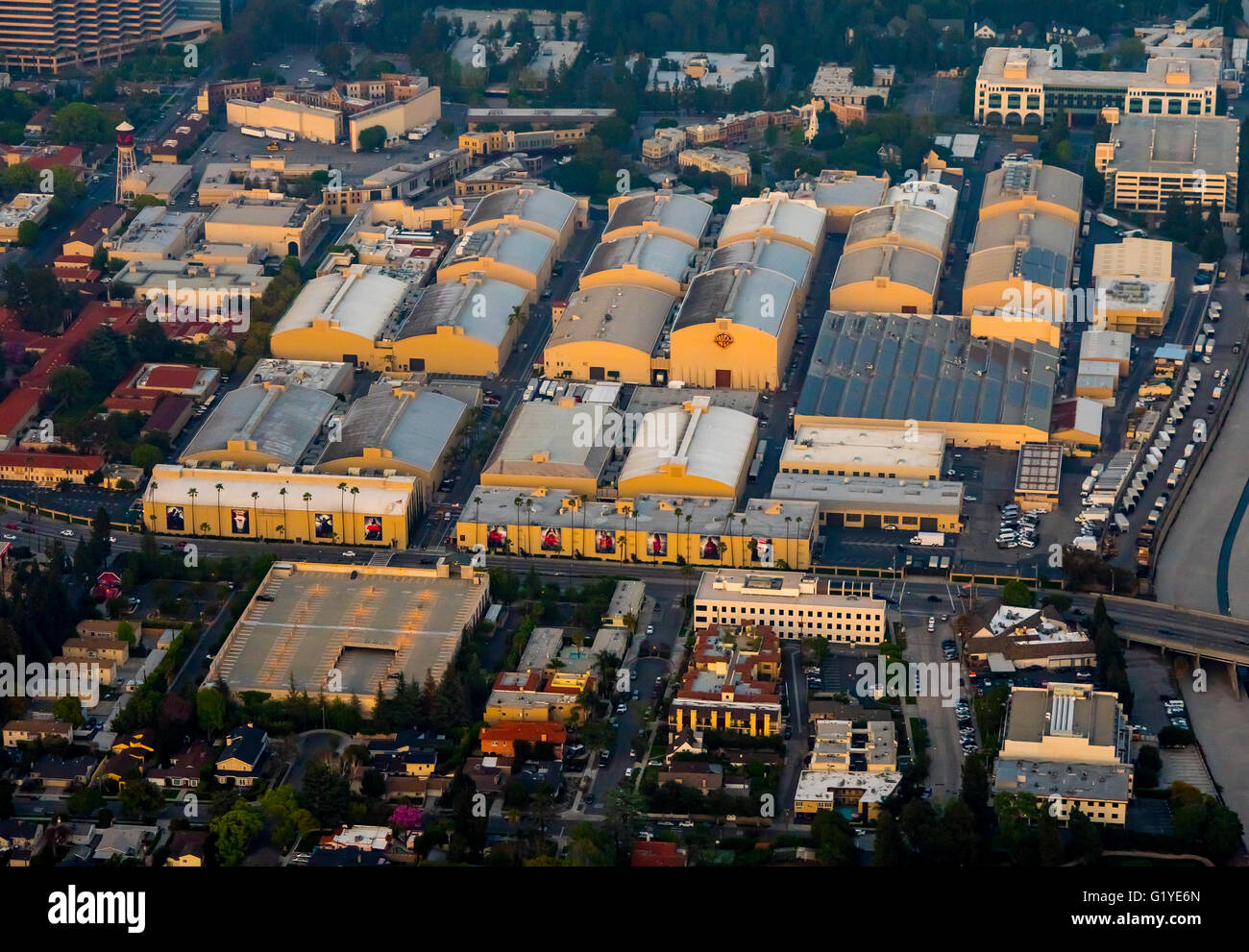
Infrastructure is also being upgraded. Recent investments include: - Amazon’s $400M expansion at its Culver City studios - Netflix’s acquisition and renovation of the former CBS Radford lot - Disney’s retooling of Stage 1 at Burbank for virtual production
These aren’t just renewals—they’re future-proofing. The new stages include volume stages for LED-based virtual production, fiber-optic connectivity for remote collaboration, and sustainable design features to meet studio ESG goals.
“The old model was ‘build it and they will come,’” says facilities manager Dev Patel. “Now, we’re building what they actually need: flexibility, tech integration, and faster turnaround.”
Challenges That Remain
Despite momentum, significant hurdles persist.
1. Incentive limitations. Even with expanded funding, California’s program still doesn’t cover first-dollar gross, unlike Georgia’s. That makes it less attractive for high-revenue projects.
2. High cost of living. Crews may want to return, but housing and childcare in LA remain prohibitive. Many freelancers now work hybrid schedules, flying in for shoots and living elsewhere.
3. Competition isn’t slowing. New York, New Mexico, and Vancouver continue to refine their offerings. The UK even launched a new tax relief for animation and high-end TV in 2023.
4. Content shifts. Reality TV, unscripted formats, and short-form video—booming sectors—are less reliant on traditional LA infrastructure. TikTok creators don’t need union stages.
And while major studios are returning, indie filmmakers still find LA cost-prohibitive. Without affordable access to equipment, locations, and post, the grassroots pipeline risks drying up.
The Verdict: A Cautious Comeback, Not a Full Revival
Film and TV production in Los Angeles is rebounding—but not back to pre-2010 levels, and likely never will be. The industry has permanently decentralized. What’s emerging is a new model: LA as a hybrid hub for development, post, and select production, rather than the sole center of gravity.
The comeback is real, but it’s selective. Big-budget streamer dramas, returning network series, and studio tentpoles are finding reasons to return. But they’re doing so with leaner crews, smarter logistics, and a reliance on tech to offset costs.
This isn’t a return to the old Hollywood. It’s the birth of a new one—more agile, more integrated, and more competitive.
What This Means for Industry Pros
For crew members: specialize. Generalists are still finding work, but demand spikes for roles tied to virtual production, drone operation, and hybrid workflows. Invest in certifications for Unreal Engine, ARRI Alexa operations, or Dolby Atmos mixing.
For producers: leverage incentives early. Apply the moment a project is greenlit. Use the “LA advantage” in pitches—access to talent, speed of production, and integrated post—as a selling point alongside cost.
For location managers: focus on underused areas. The San Fernando Valley, Long Beach, and East LA offer diverse looks with fewer permitting battles. Cities like Santa Clarita now offer local incentives on top of state credits.
For writers and directors: consider hybrid shoots. Use LA for interiors and studio work, then take second units to high-incentive zones. This balances authenticity, cost, and creative control.
Final Word: Los Angeles Isn’t Winning—It’s Adapting
The question isn’t whether film and TV production in Los Angeles is turning the corner. It is. But the corner leads not to a return of glory days, but to a reshaped industry where LA competes rather than dominates.
Success now hinges on agility, not legacy. The city’s future depends on embracing hybrid models, investing in next-gen talent, and advocating for smarter incentives.
For those willing to adapt, Los Angeles is once again a place where stories get made—just not the way they used to.
FAQ
Is it easier to get film permits in LA now than in 2020? Yes. Permit processing times have improved, and FilmL.A. has digitized much of the application process, reducing approval lags.
Are major studios really coming back to LA? Some are. Netflix, Disney, and Amazon have all expanded or renewed studio leases, though they continue to use out-of-state locations strategically.
How competitive are California’s film tax credits? Very. The program operates as a lottery with oversubscription. Projects must apply early and demonstrate strong local economic impact.
Can indie filmmakers afford to shoot in LA? It’s challenging but possible. Many use micro-budget strategies, non-union crews, and location partnerships to reduce costs.
Is crew availability improving in LA? Yes. Union sign-ups are up, and training programs are producing new talent, especially in tech-driven roles.
What types of productions are most likely to shoot in LA now? Returning series, studio-driven franchises, and projects requiring extensive post-production or VFX.
Are soundstages in LA fully booked? Not yet, but availability is tighter, especially for stages equipped with virtual production tech. Booking six months out is now standard.
FAQ
What should you look for in Is Los Angeles Film and TV Production Coming Back Strong?? Focus on relevance, practical value, and how well the solution matches real user intent.
Is Is Los Angeles Film and TV Production Coming Back Strong? suitable for beginners? That depends on the workflow, but a clear step-by-step approach usually makes it easier to start.
How do you compare options around Is Los Angeles Film and TV Production Coming Back Strong?? Compare features, trust signals, limitations, pricing, and ease of implementation.
What mistakes should you avoid? Avoid generic choices, weak validation, and decisions based only on marketing claims.
What is the next best step? Shortlist the most relevant options, validate them quickly, and refine from real-world results.