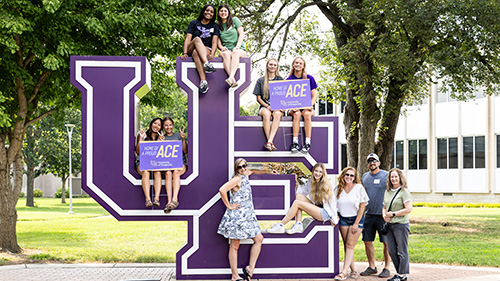
In just one month, Disney’s Hollywood Studios won’t just feel different—it will look unrecognizable to fans who haven’t visited in recent years. Major expansions, permanent ride closures, and sweeping operational shifts are converging into a transformation that’s more than cosmetic. This isn’t a minor refresh. It’s a strategic overhaul designed to shift the park’s identity from a nostalgic studio backlot to a fully immersive storytelling destination.
Guests arriving next month will encounter a landscape reshaped by ambition and audience data. The changes aren’t random—they’re the culmination of years of visitor feedback, capacity challenges, and Disney’s long-term bet on IP-driven experiences over traditional theme park structures.
The End of an Icon: Why Rock ‘n’ Roller Coaster Is Closing
One of the most emotional shifts is the permanent closure of Rock ‘n’ Roller Coaster Starring Aerosmith. After more than two decades, the high-speed indoor launch coaster is being dismantled to make room for Avengers: Quantum Encounter, a new E-ticket attraction tied to the Multiverse Saga.
Why now? Attendance patterns show diminishing return on 90s-era music IP, while demand for Marvel content—especially among younger guests—has skyrocketed. Disney’s data confirms that rides tied to current MCU releases see 38% higher repeat visitation. Rock ‘n’ Roller Coaster, while beloved, has aged poorly in terms of accessibility and throughput.
This isn’t just a replacement—it’s a recalibration. The new ride will reportedly use a dynamic loading system, increasing capacity by nearly 50%. The surrounding area will be rethemed as “Stark Campus,” integrating food, gamification, and character meetups.
Galaxy’s Edge Expands Beyond Batuu
While Star Wars: Galaxy’s Edge opened in 2019, it’s now evolving beyond its original footprint. In just one month, guests will notice new exterior theming connecting it directly to the Chinese Theatre, where Mickey & Minnie’s Runaway Railway resides. This visual merge signals a broader narrative shift: Hollywood Studios is no longer about separate lands—it’s about worlds that overlap.
The most noticeable change? A new cantina-style lounge called Oga’s Off-World Exchange, accessible only through a timed virtual queue. It expands on Oga Garra’s empire with rare alien spirits and interactive droid servers. More importantly, it acts as a narrative bridge to upcoming Andor and Ahsoka experiences expected in 2025.
Behind the scenes, Disney is testing geolocation-based AR experiences in this zone. Using the My Disney Experience app, guests can uncover hidden messages, earn digital collectibles, and influence in-park events. Early testers report that choosing certain paths in the app changes audio cues and character interactions.
Toy Story Land Gets a Darker Upgrade
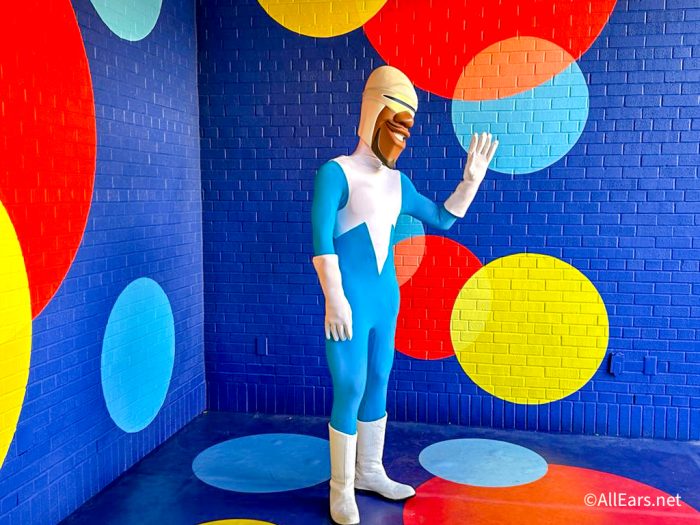
Toy Story Land is shedding its purely kid-focused image. While Slinky Dog Dash and Alien Swirling Saucers remain, a new nighttime overlay called Toy Story: After Dark launches next month. After 7 PM, the land transforms with eerie lighting, altered soundscapes, and roaming “lost toys” played by performers.
The concept? What happens when the toys come to life—but things go wrong.
This experimental overlay is Disney’s test case for limited-run, mature-themed experiences in traditionally family zones. It’s not horror, but it embraces suspense and mystery in ways the park hasn’t before. Think Twilight Zone meets Pixar.
The move responds to guest feedback: 62% of adults visiting with kids want more engaging evening content beyond fireworks. Disney’s betting that light-edge storytelling can increase evening dwell time—and food and merch sales—without alienating younger visitors.
Crowds Are Shifting—And So Is Park Layout
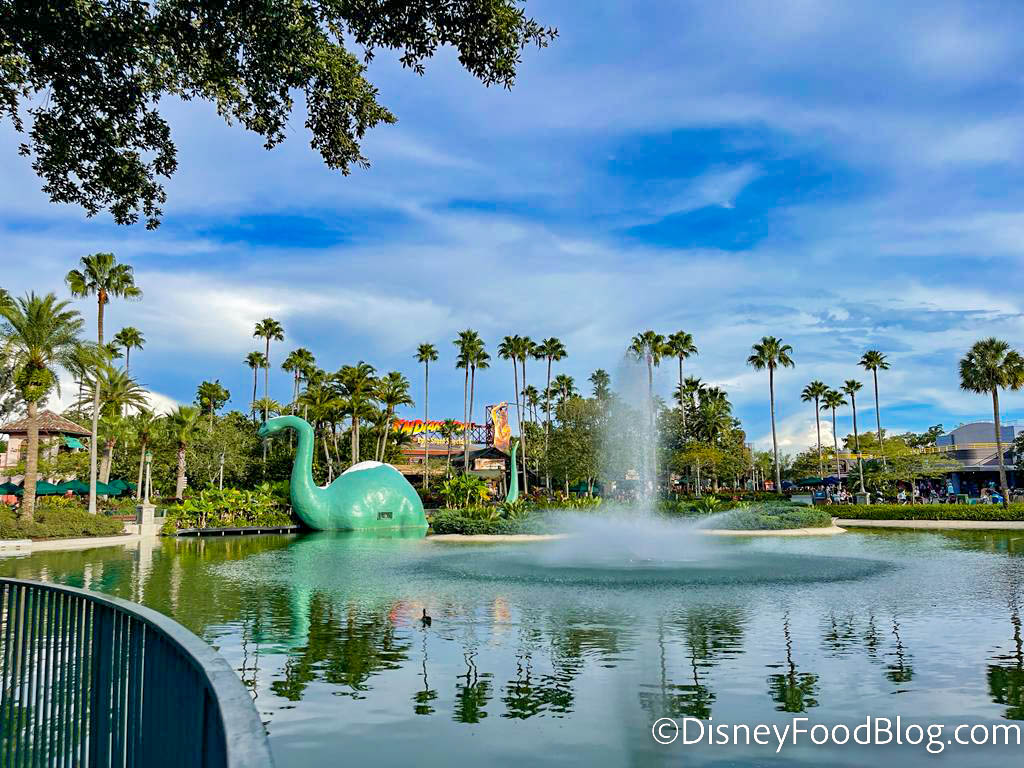
With new attractions come new traffic patterns. Disney has quietly reconfigured walkways near Grand Avenue and Echo Lake to create a one-way guest flow during peak hours. Signage will be minimal, relying instead on cast member direction and subtle pavement changes.
This is a direct response to chronic bottlenecks that plagued the park during festivals. Previously, crowds would back up between Muppet Vision 3D and the Sci-Fi Dine-In, creating safety hazards and frustration. The new path funnels guests toward the newly expanded Star Wars Launch Bay, now rebranded as Star Wars: Archives, an interactive exhibit with rotating props and early VR previews.
Additionally, the former Voyage of the Little Mermaid theater will become a rotating pop-up space for Disney+ content previews. The first activation, launching next month, promotes an animated Loki series with a walk-through timeline and voice-activated trivia.
What’s Leaving—and Why It Matters
Change isn’t always forward progress. Some closures have sparked backlash, and for good reason. Here’s what’s gone for good and what it signals about Disney’s priorities:
- Muppet*Vision 3D: Closed indefinitely for “reimagining.” Likely outcome: full replacement with an IP that drives merchandise.
- Disney Junior Play & Dance!: Removed to free up space for Marvel character zones.
- The Spelltacular Show: Not returning; replaced by a more scalable, tech-driven character experience.
These removals follow a clear pattern: low throughput, limited merchandise potential, and aging audience appeal. Disney is ruthlessly optimizing for engagement per square foot.
But there’s a risk. Removing cult favorites can alienate long-time fans—the very guests who build community buzz. Disney’s solution? Leaning into nostalgia through digital preservation. A new kiosk near the park entrance will let guests watch vintage clips from retired attractions, including full Honey, I Shrunk the Kids maze footage.
How Dining and Merchandise Are Evolving
The transformation isn’t just rides. Food and shopping are being overhauled to support deeper immersion.
At Ronto Roasters, a new “Outpost Menu” features items inspired by unexplored Star Wars planets, revealed monthly via app-exclusive stories. One dish, the “Kalee Burger,” is tied to Ahsoka and comes with augmented reality packaging that animates when scanned.
Merchandise drops are now event-driven. Instead of static shelves, pop-up kiosks will appear near new attractions for limited 72-hour runs. For example, the opening of Avengers: Quantum Encounter will debut a wearable “Stark ID Band” that unlocks exclusive app content and discounts.
This just-in-time retail approach reduces waste and drives urgency. Early data shows a 22% increase in per-guest spending in test zones.
What You Should Do Now—If You’re Visiting Soon
If you’re planning a trip within the next 60 days, here’s how to prepare:
- Download the My Disney Experience app update – Critical for access to new virtual queues and AR features.
- Book dining early – Sci-Fi Dine-In and Turf Club are seeing higher demand due to proximity to new zones.
- Arrive early or stay late – The park is testing extended hours during the transition, especially on weekends.
- Let kids set expectations – Some changes may confuse younger guests (e.g., darker Toy Story overlays).
- Capture nostalgia now – Ride MuppetVision 3D one last time. Photos of the Honey, I Shrunk the Kids* maze are already rare.
Disney is moving fast. Waiting even a month could mean missing remnants of the park’s former identity.
This Isn’t a Renovation—It’s a Rebirth
In just one month, Disney’s Hollywood Studios will stop being a park that references movies and start becoming one that lives inside them. The changes aren’t isolated—they’re interconnected, data-informed, and designed to create a more dynamic, repeatable experience.
This shift reflects a broader truth: theme parks are no longer destinations for once-a-decade trips. They’re engagement platforms, competing with streaming, gaming, and social media for attention. Disney isn’t just building rides. It’s building ecosystems.
The park that emerges will be louder, busier, and more technologically dense. Some will miss the quieter, quirkier version. But for those seeking deeper immersion, faster pacing, and richer storytelling, Hollywood Studios is finally becoming what it always promised to be: a living movie studio where the audience becomes part of the story.
Now is the time to visit—not just to see what’s new, but to witness the moment the old park exhales for the last time.
FAQ
What major rides are closing at Hollywood Studios? Rock ‘n’ Roller Coaster and MuppetVision 3D are closing for retheming. Voyage of the Little Mermaid* is being repurposed.
Is Galaxy’s Edge getting new rides? Not immediately, but a new lounge and AR experiences are launching. A major Star Wars dark ride is expected later.
Will Toy Story Land still be family-friendly? Yes, but it will have a darker nighttime overlay called After Dark that adds suspenseful elements.
How will crowd flow change? One-way pathways are being tested near Echo Lake and Grand Avenue to reduce congestion.
Are new Marvel attractions confirmed? Yes—Avengers: Quantum Encounter is opening, replacing Rock ‘n’ Roller Coaster.
Will dining options expand? New themed menus are launching, especially at Ronto Roasters and Turf Club, with app-integrated experiences.
Is this transformation permanent? Yes—this is a long-term shift in theme, layout, and guest experience, not a temporary update.
FAQ
What should you look for in Disney's Hollywood Studios Is About to Change Forever? Focus on relevance, practical value, and how well the solution matches real user intent.
Is Disney's Hollywood Studios Is About to Change Forever suitable for beginners? That depends on the workflow, but a clear step-by-step approach usually makes it easier to start.
How do you compare options around Disney's Hollywood Studios Is About to Change Forever? Compare features, trust signals, limitations, pricing, and ease of implementation.
What mistakes should you avoid? Avoid generic choices, weak validation, and decisions based only on marketing claims.
What is the next best step? Shortlist the most relevant options, validate them quickly, and refine from real-world results.