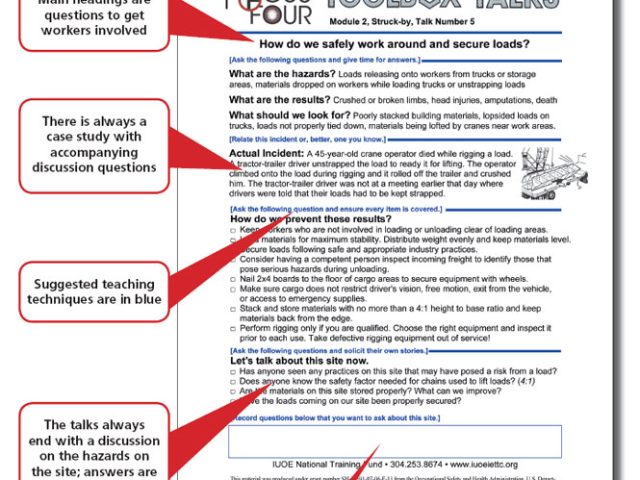
For too long, toolbox talks have been treated as a compliance checkbox—rushed, repetitive, and ignored. But when done right, they’re one of the most powerful tools in workplace safety. A five-minute conversation can prevent a lifetime of injury. The difference? Relevance. Engagement. And the right topics.
The best daily toolbox talk topics don’t just inform—they connect. They address real risks faced that day, involve the crew, and promote a culture where safety isn’t enforced, it’s owned. This guide cuts through the fluff and delivers actionable, field-tested topics that work across industries.
Why Most Toolbox Talks Fail (And How to Fix Them)
Many daily safety huddles collapse under their own predictability. “Hard hats on. Gloves worn. Stay alert.” These messages aren’t wrong—but they’re not useful. Workers tune out because the content doesn’t reflect their actual work.
Common failures: - Generic content: Talking about fall protection on a day with no elevation work. - One-way delivery: Supervisor speaks, crew listens (or pretends to). - No follow-up: Nothing changes after the talk ends. - Poor timing: Held when crews are already on task, creating resentment.
The fix? Align topics with daily task risks. Involve workers in selecting or leading discussions. Record key takeaways and revisit them. Make it a conversation, not a lecture.
For example: Instead of “General PPE,” try “PPE for today’s welding and grinding tasks—what’s working, what’s not?” That specificity sparks real dialogue.
Top 10 Daily Toolbox Talk Topics That Work
These topics are proven across construction, utilities, manufacturing, and maintenance. They’re scalable, practical, and rooted in real hazards.
#### 1. Lifting and Manual Handling Even with equipment, workers lift awkward loads daily. A focused talk can prevent back injuries.
Key points: - Use legs, not back. - Communicate when team lifting. - Identify pinch points in tight spaces. - Test load balance before lifting.
Real example: A crew prepping a pump replacement discussed how to safely carry the motor through a narrow access door. They adjusted their grip and path—avoiding a dropped load incident later.
#### 2. Working at Height Not just for fall arrest. Include guardrails, ladder stability, and environmental factors.
Discussion prompts: - Is the ladder on level ground? - Are anchor points inspected? - How does wind affect stability today?
Mistake to avoid: Assuming fall protection is one-size-fits-all. A harness setup for roof work may not suit confined space entry.
#### 3. Hazard Communication (Chemicals) Especially critical in maintenance, painting, or cleaning tasks.
Cover: - Proper labeling. - SDS location and access. - PPE for specific chemicals. - Spill response steps.
Use case: A crew using a new degreaser reviewed the SDS together. They realized ventilation was required—and adjusted their work plan.
#### 4. Lockout/Tagout (LOTO) One of the most violated procedures. Daily reinforcement saves lives.

Focus on: - Isolation steps for today’s equipment. - Testing for zero energy. - Who authorizes re-energizing?
Pro tip: Have a crew member walk through the LOTO steps out loud. Missteps become visible instantly.
#### 5. Slips, Trips, and Falls The most common injury source—but often overlooked.
Daily checks: - Housekeeping: Are cables, tools, or debris in walkways? - Weather: Is rain creating slick surfaces? - Lighting: Are low-light areas properly illuminated?
Example: After a near-miss on a wet metal ramp, a team added non-slip tape and assigned daily checks.
#### 6. Hot Work Safety Welding, cutting, grinding—high-risk activities needing daily review.
Talk points: - Fire watch duration and responsibilities. - Flammable material clearance. - Spatter control methods.
Critical: Confirm fire extinguishers are on-site and charged—every time.
#### 7. Excavation and Trenching Soil collapse kills. Daily assessments are non-negotiable.
Essential questions: - Is there a competent person on site? - Are shoring or trench boxes in place? - Have utilities been marked?
Red flag: Excavations left overnight without barriers or signage.
#### 8. Electrical Safety From temporary power to live work—clarity saves lives.
Daily reminders: - Assume all lines are live. - Use voltage-rated tools and PPE. - Inspect cords for damage before use.
Common gap: Workers using damaged extension cords "just for a few minutes." Address complacency head-on.
#### 9. Equipment Inspection Pre-use checks prevent breakdowns and injuries.
Focus on: - Hydraulic leaks. - Guard integrity. - Warning labels and emergency stops.
Engagement trick: Rotate inspection leadership. Crew members take ownership.
#### 10. Emergency Readiness Not just fire drills. Include medical emergencies, chemical spills, and severe weather.
Daily prep: - Know the nearest first aid kit and AED location. - Confirm emergency contacts are posted. - Review site evacuation routes.
Real impact: A team that rehearsed chemical spill response contained a small leak in under three minutes—no exposure.
How to Structure a High-Impact Toolbox Talk
A great topic needs a strong delivery. Use this 5-step framework:
- Start with a real incident or near-miss
- “Yesterday, a ladder slipped on wet concrete—here’s how we prevent that today.”
- State the topic and why it matters today
- “We’re grinding rebar—eye protection and face shields are critical.”
- Engage the team: ask questions
- “Has anyone had issues with respirator fit lately?”
- Review controls and best practices
- Demonstrate proper technique, PPE use, or equipment setup.
- End with commitment
- “Before we start, confirm your buddy has their face shield on.”
Keep it under 10 minutes. Focus on one hazard. Document attendance and key points—but don’t make paperwork the priority.
Common Mistakes in Choosing Topics
Even with good intent, teams pick weak topics. Avoid these traps:

- Repetition without variation: Talking about PPE every Monday grows stale. Rotate focus—gloves one week, fit-testing respirators the next.
- Ignoring task-specific risks: No need to discuss crane safety if no lifts are planned.
- Overloading with multiple hazards: One clear message sticks. Five won’t.
- Using outdated or irrelevant examples: Don’t cite a 10-year-old incident unless it’s directly tied to today’s work.
Better approach: Use a weekly safety planning sheet. Map tasks to hazards, then assign topics. Example:
| Day | Task | Hazard | Toolbox Talk Topic |
|---|---|---|---|
| Mon | Roofing | Fall risk | Anchor point inspection |
| Tue | Electrical panel work | Arc flash | PPE for Category 2 tasks |
| Wed | Painting | Fumes | Ventilation and respirator use |
Boost Engagement
With Crew-Led Talks
Top-down talks breed passivity. Rotate leadership to build ownership.
How it works: - Assign a crew member each week to lead one talk. - Provide a simple template: hazard, risk, controls, questions. - Support, don’t correct—let them own the delivery.
Result: Workers pay more attention when a peer leads. They’re more likely to speak up about concerns.
Example: A junior electrician led a talk on cord management after tripping over a tangled reel. His firsthand near-miss made the message unforgettable.
Documentation That Doesn’t Feel Like Paperwork
Yes, you need records. But the goal isn’t compliance theater—it’s traceability and improvement.
Minimal effective documentation: - Date, time, location - Topic and facilitator - List of attendees - One sentence summary of key takeaway
Use a clipboard, tablet, or whiteboard. Post summaries in common areas. Review past topics monthly to spot trends.
Pro insight: If the same hazard keeps coming up—like poor housekeeping—schedule a deeper training session. The toolbox talk isn’t a fix-all.
Closing: Make Safety a Conversation, Not a Chore
Daily toolbox talks shouldn’t be robotic rituals. They’re safety check-ins—brief, targeted, and alive. The best topics reflect the day’s real work, invite participation, and drive tangible behavior change.
Start tomorrow with a focused question: What’s the biggest risk we face today—and how do we control it? Let the crew answer. Listen. Act.
That’s how you turn five minutes into a culture of safety.
FAQ
What are daily toolbox talk topics? Focused safety discussions held before work begins, addressing hazards related to that day’s tasks—like working at height, chemical handling, or equipment use.
How long should a toolbox talk last? Ideally 5 to 10 minutes. Long enough to cover key risks, short enough to maintain attention.
Who should lead a toolbox talk? Supervisors typically lead, but rotating among crew members increases engagement and ownership.
Do toolbox talks need to be documented? Yes. Record date, topic, attendees, and key points for compliance and tracking, but keep it simple.
Can toolbox talks reduce workplace incidents? Yes—when relevant and interactive. They reinforce awareness, clarify controls, and encourage proactive hazard reporting.
Should every crew have a daily toolbox talk? Yes, especially in high-risk environments like construction, utilities, or manufacturing, where hazards change daily.
How often should topics repeat? Core topics like PPE or emergency procedures should recur—but with fresh angles, examples, or crew input to prevent fatigue.
FAQ
What should you look for in Daily Toolbox Talk Topics That Keep Teams Safe and Engaged? Focus on relevance, practical value, and how well the solution matches real user intent.
Is Daily Toolbox Talk Topics That Keep Teams Safe and Engaged suitable for beginners? That depends on the workflow, but a clear step-by-step approach usually makes it easier to start.
How do you compare options around Daily Toolbox Talk Topics That Keep Teams Safe and Engaged? Compare features, trust signals, limitations, pricing, and ease of implementation.
What mistakes should you avoid? Avoid generic choices, weak validation, and decisions based only on marketing claims.
What is the next best step? Shortlist the most relevant options, validate them quickly, and refine from real-world results.